
A how-to-guide on how to substitute everyday foods for healthy alternatives for the new year!
With the new year, comes new goals and resolutions. One consistent goal a lot of people have is to become healthier on a holistic level– starting with their diet. Of course, throwing out all of your favorite snacks and starting a whole new diet isn’t always the best way to achieve a healthy lifestyle. Like anything, it takes time and adaptation. With an open mind, you’ll learn to love these healthy alternatives to everyday foods, and you’ll begin your journey to a healthy lifestyle.
Just to be clear, we aren’t trying to label certain foods as “bad” for you or try to control what you eat in your diet. That’s unrealistic and not what we believe! We believe that there are healthier alternatives to foods that offer more nutrient-based content and want to share these ideas with you. We believe in moderation and want to help you find a healthy balance of food alternatives to incorporate into your existing food routine.
Food Substitutes
Now that we sorted our views on categorizing food, let’s begin exploring different food alternatives!
- Swap out dairy milk for plant-based milk
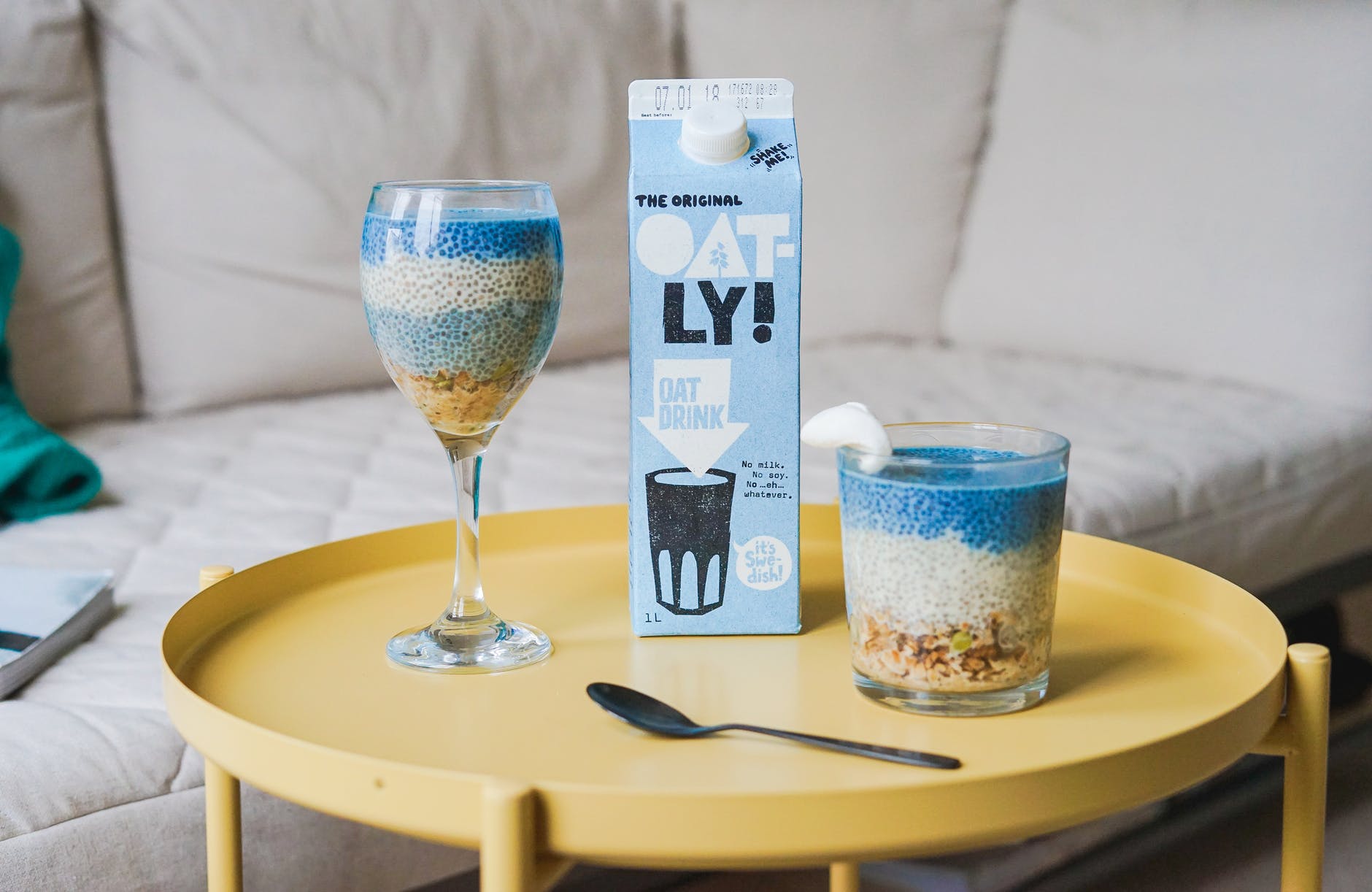
Dairy milk has its own benefits, but for many people, being lactose intolerant is a common situation we find ourselves in. In order to make our diets more suitable for ourselves, plant-based milk is a great option.
An article from Healthline outlines some benefits of plant-based milk:
- Low in calories
- Low in sugar
- High in Vitamin E
- Often enriched with Vitamin D
- A good source of calcium
Plant-based milk is also easily accessible and can be made at home. Check out these recipes!
- Swap out table salt for sea salt
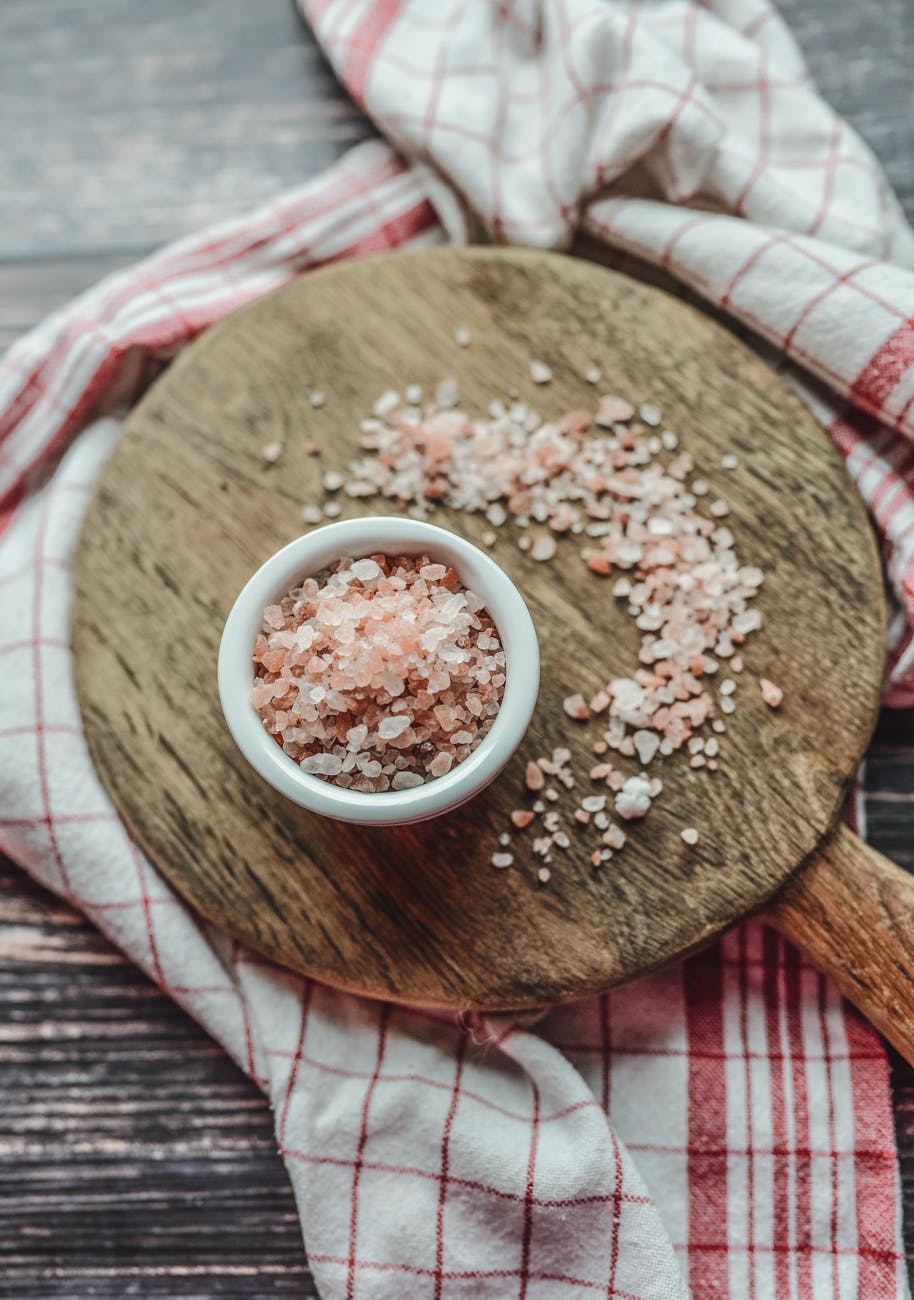
Salt is essential for cooking and baking, but a high intake of it can present itself as a detrimental health effect inducing raised blood pressure, heart disease, and other cardiovascular diseases. According to the Mayo Clinic, table salt and sea salt have the same nutritional value, but table salt usually has added iodine, which helps maintain a healthy thyroid. Sea salt is produced through the evaporation of ocean water, usually with little processing and table salt is mined from underground salt deposits, which is more heavily processed.
Here are some benefits of sea salt according to What Great Grandma Ate:
- Keeps you hydrated
- Reduces fluid retention
- A great source of minerals
- Prevents muscle cramps
- Swap out canola oil for olive oil, avocado oil, or coconut oil
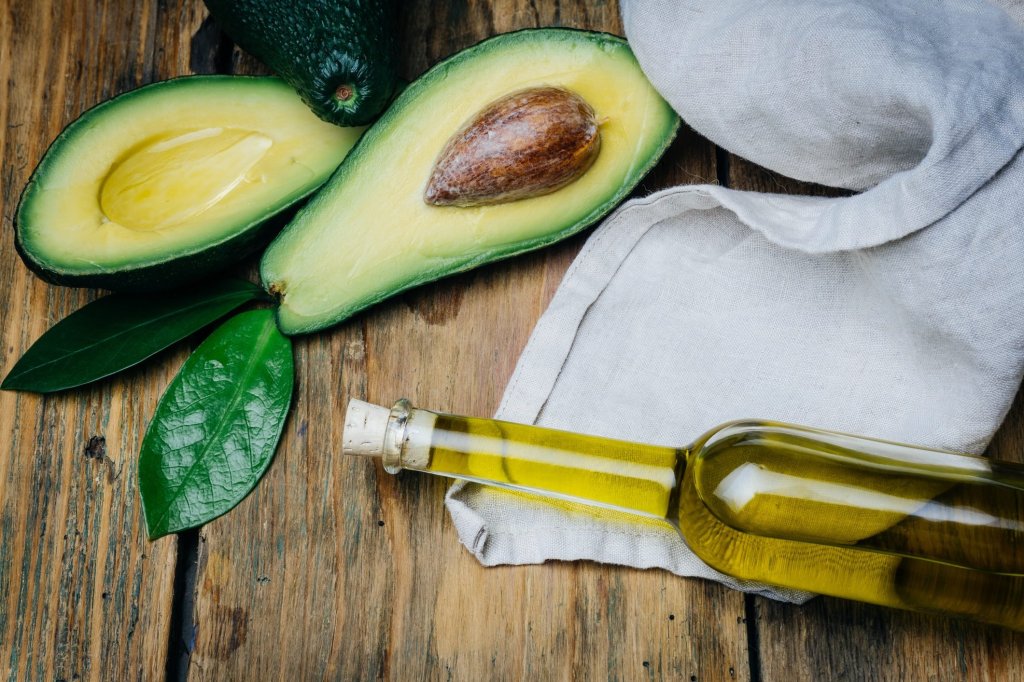
Canola oil is already a healthy alternative to other oils, but if you want to try something different, give these other oils a try! Here are the benefits of olive oil, avocado oil, and coconut oil from Healthline.
Olive oil: Rich in healthy monounsaturated fats, contains large amounts of antioxidants, and has strong anti-inflammatory properties
Avocado oil: Reduces cholesterol and improves heart health, rich in oleic acid (a healthy fat), and high in lutein (an antioxidant that is good for the eyes)
Coconut oil: Contains healthy fatty acids, may boost heart health, may have antimicrobial effects
- Swap out unrefined sugar for unrefined honey, maple syrup, or coconut sugar
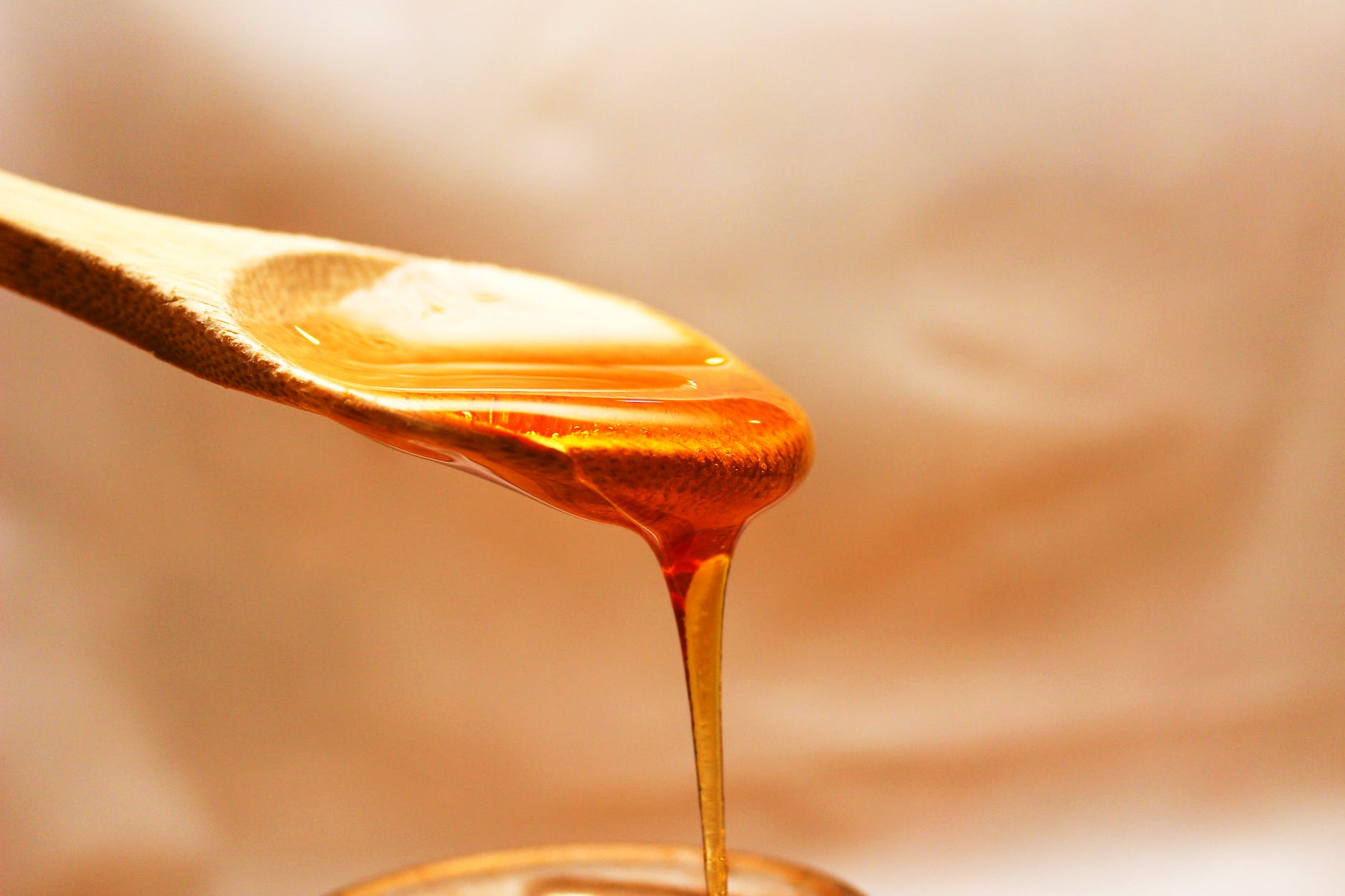
Just as salt is necessary for cooking, sugar is also essential for baking. Next time you feel like getting creative with some bakes, try to use unrefined honey, maple syrup, or coconut sugar as opposed to white sugar!
Per Healthline, unrefined honey and maple syrup are both natural sweeteners that are cleaner than white sugar. Plus, these substitutes are delicious and are probably already in your house!
Coconut sugar is extracted from the sap of the coconut palm and contains a few nutrients including iron, zinc, calcium, and potassium. It also contains a lower glycemic index than sugar. Although coconut sugar has a high fructose content similar to white sugar, it offers more nutrient-dense content.
Implement Change
Now that we’ve covered some food swaps, let’s talk about actually implementing change in our lifestyle.

As mentioned earlier, completely changing your diet to something you aren’t used to is probably not the best way to implement change. Baby steps such as swapping out one everyday item for something healthier each week is a more realistic approach. Change can be scary and hard to maintain, but it will benefit you in the long run. Since some of these swaps can be a little more expensive than their counterparts, taking baby steps will also help things stay less expensive. Staying consistent is the key to maintaining change in your lifestyle, so make sure to make yourself accountable. Remember, finding the right food substitute for your routine will take time and if you don’t like one item, keep trying!

